The Dark Side of the Moon
An album that treats the studio as an instrument and the running order as an argument.
Reviewed
The Dark Side of the Moon
Mark
Forty-three minutes with no slack in them, and the rare record where the production is part of the writing rather than a coat of paint over it.

Most records are a collection of songs that happen to share a sleeve. This one is a single argument delivered in ten parts, and the parts are load-bearing: pull one out and the rest sag. That is the thing worth studying about it, more than any individual track.
The studio as an instrument
It was recorded across 1972 and 1973 at EMI Studios — Abbey Road — with Alan Parsons engineering, and the band had already played most of the material live for a year before they committed it to tape. An early version of the suite was performed in London months before recording began. By the time they were in the room, they were not working out what the piece was; they were working out how to print it.
That matters because it explains the confidence of the production. The transitions are not crossfades papering over a gap between two unrelated songs — they are written. The heartbeat that opens Speak to Me returns to close Eclipse, so the record ends where it started and the whole thing reads as a loop rather than a list. The cash registers at the top of Money are a rhythm part, not a sound effect: they establish the 7/4 before a single instrument plays, which is why a bar of seven feels natural instead of clever.
Where it takes its risks
Two moments are still remarkable, and neither is a guitar solo.
The first is The Great Gig in the Sky, which hands its emotional climax to a session singer, Clare Torry, performing without lyrics. There is nothing to hide behind — no words to carry the meaning, so the meaning has to be entirely in the delivery. Handing the peak of your album to a wordless vocal by someone who was not in the band is a genuinely strange decision, and it works.
The second is the spoken word. Fragments of interviews, recorded by putting questions on cards to whoever was around the building, are threaded through the record. The Abbey Road doorman gets close to the last word on it. Using found speech from people with no stake in the album, and letting them state the theme more plainly than the lyrics do, is a confidence most records never earn.
What it is actually about
The lyrics, all Roger Waters, are less cosmic than the sleeve suggests. The subjects are time passing while you wait to begin, money, the way conflict gets manufactured, and the thin line between ordinary strain and coming apart. It is a record about pressure, written by people who had just spent several years under it, and it is specific rather than mystical. Time is not a meditation; it is a complaint about having wasted some.
The rating
Five, which I do not hand out often. Not because it is the most inventive record ever made — it is not, and Pink Floyd made stranger ones before it — but because there is nothing in it I would remove, and I cannot say that about many albums. It is also, usefully, the album to hand someone who says they do not like prog: it is under three quarters of an hour, there are no dragons, and every idea in it is in service of the argument.
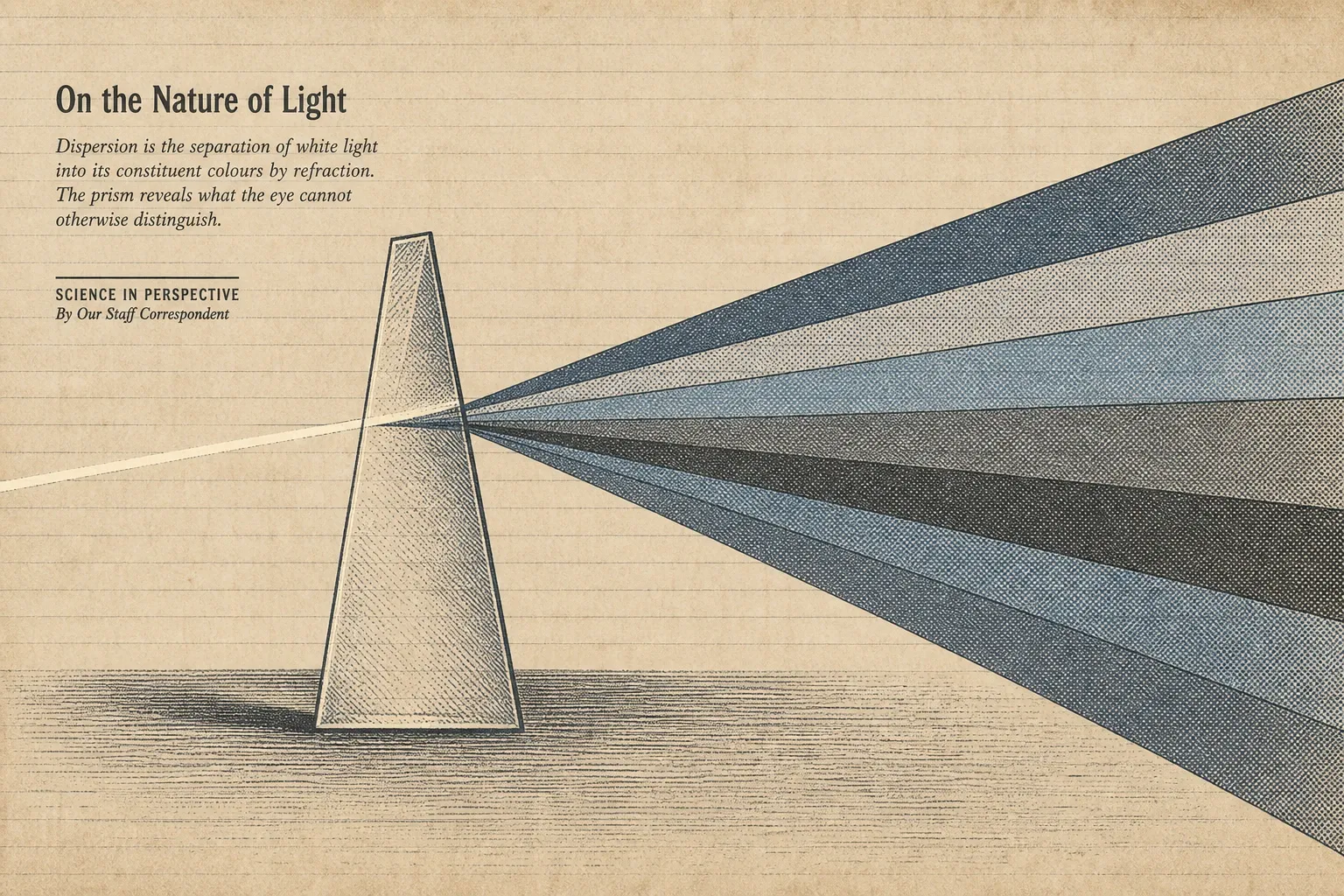
Worth adding that the sleeve deserves its reputation independently. Storm Thorgerson of Hipgnosis designed it, drawn by George Hardie, and it does the whole job with one diagram and no text — including no band name, which almost nobody gets away with.
The full album, on the band’s official channel, is above. It is also on Spotify if you would rather have it in a queue.